?Have you ever found yourself trying to negotiate with a lawn mower about where it should live, while your bicycle glares accusingly from the corner of the garage like a disappointed houseguest?
First Impressions and Unboxing
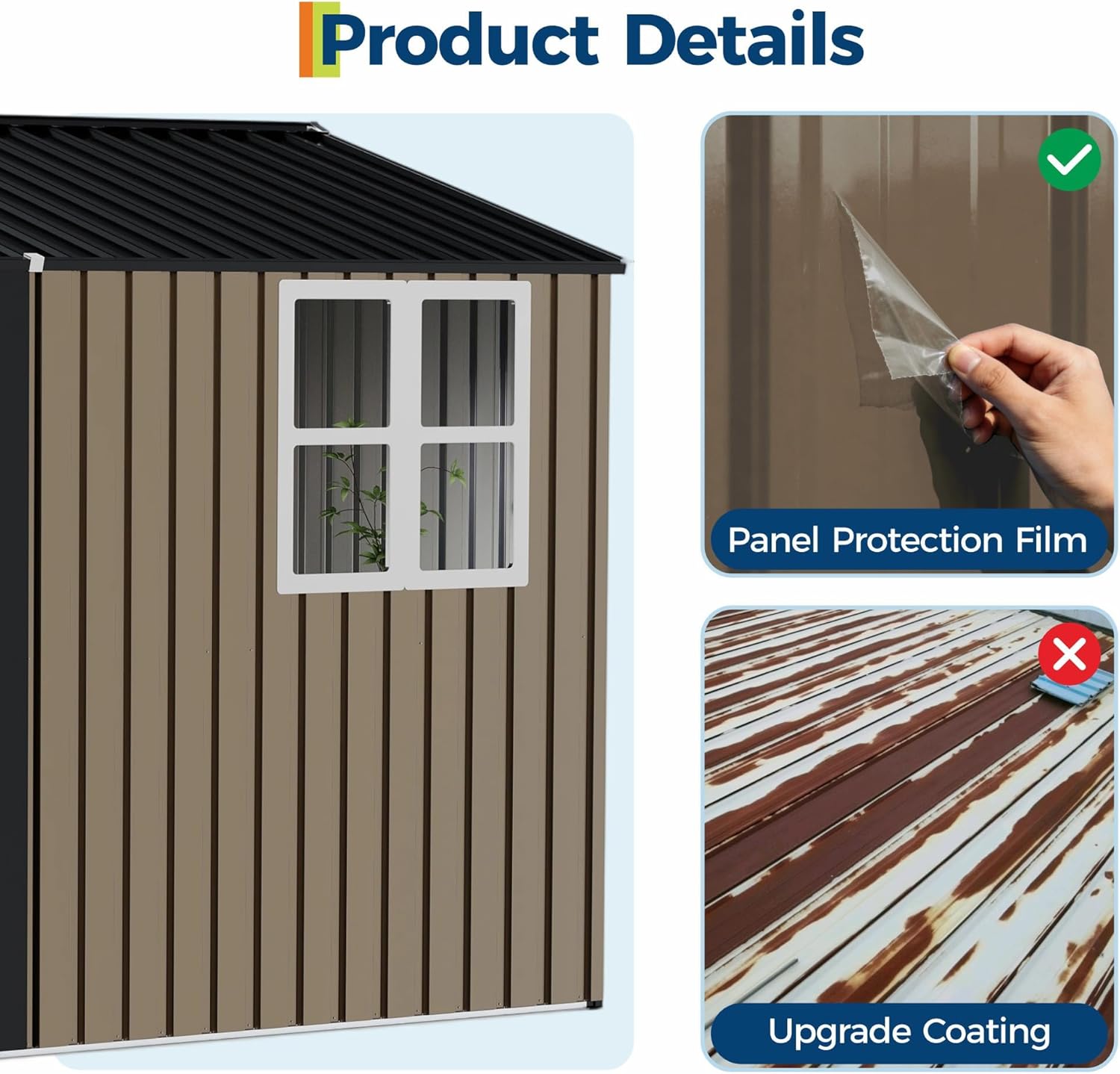
You lift the tape, wrestle open the crate, and are immediately rewarded with the smell of galvanized steel and the faint echo of a warehouse choir. The “10×8 FT Outdoor Storage Shed, 450 Cu Ft Weather Resistant Garden Shed with Gable Roof & Grid Window, Multi-Use Shed for Bikes, Lawn Mowers, Patio Supplies & Pet Shelter” arrives in a protective double-layer package — wooden crate, two boxes — and everything feels improbably solid considering the box could have been shipped by a small country. You’ll notice a protective film on each steel panel; you’ll also notice that this film is the packaging equivalent of clingy cling film, laughably adhesive until you find the right corner to peel.
You’ll appreciate that the manufacturer thought about shipping. The wooden crate doesn’t just look serious, it reduces the likelihood that the panels arrive with the kind of souvenir dents that make you feel guilty about naming a future shed. You’ll be tempted to assemble alone because you’re stubborn, but the instructions politely suggest two to three people. Listen to the instructions. You’ll thank yourself later.
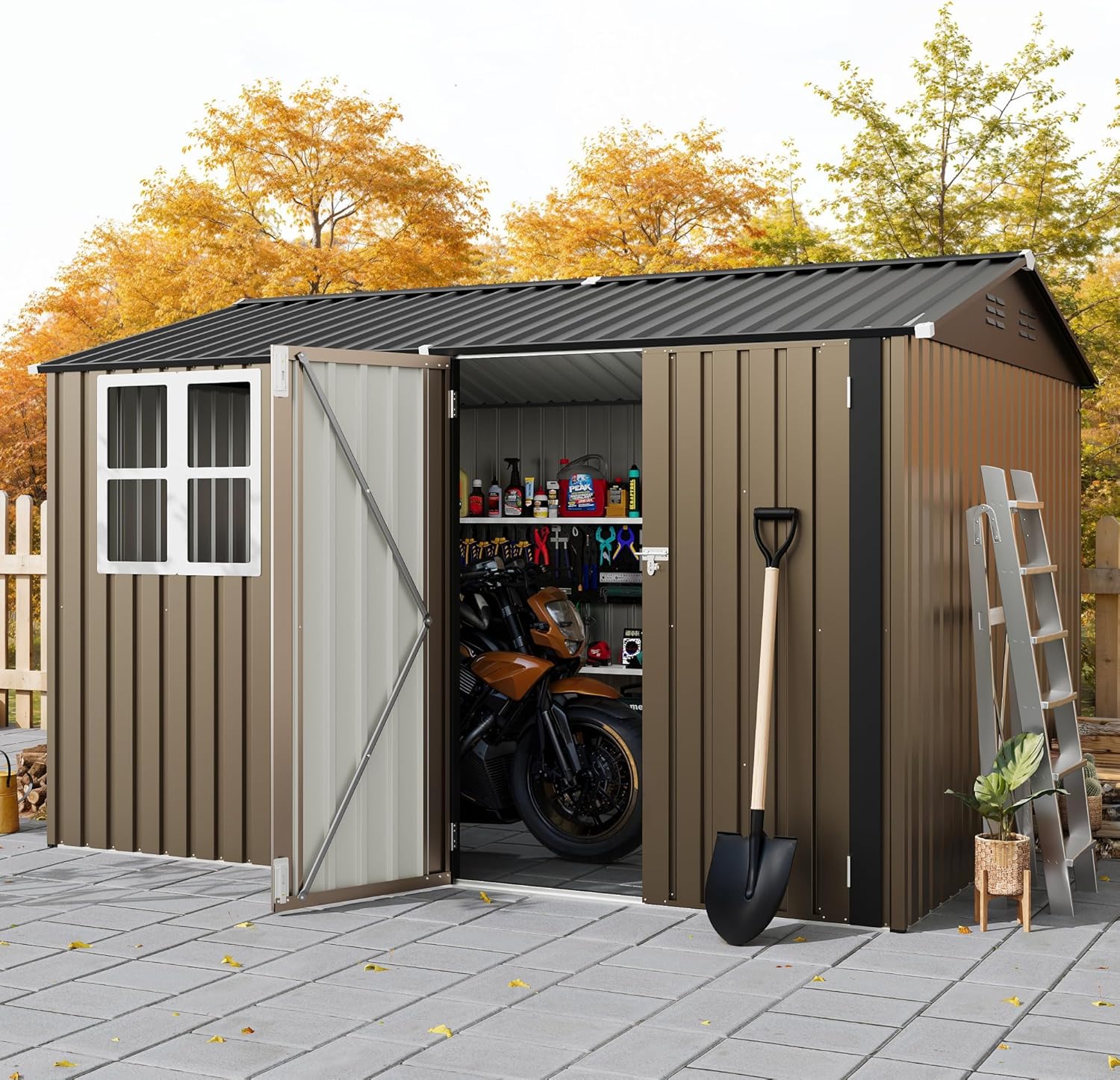
10x8 FT Outdoor Storage Shed, 450 Cu Ft Weather Resistant Garden Shed with Gable Roof & Grid Window, Multi-Use Shed for Bikes, Lawn Mowers, Patio Supplies & Pet Shelter
Product Overview
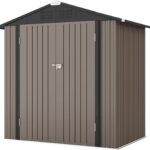
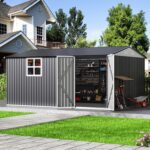
You’re looking at a heavy-duty, metal storage solution that’s not trying to be a log cabin or a conservatory. The product name says everything up front — 10×8 FT Outdoor Storage Shed, 450 Cu Ft Weather Resistant Garden Shed with Gable Roof & Grid Window, Multi-Use Shed for Bikes, Lawn Mowers, Patio Supplies & Pet Shelter — and then goes on to promise sensible things: galvanized steel panels, a peaked roof, cross-grid windows, and double doors with a steel locking system. You’ll like the utilitarian honesty here; it rows straight for function and drops anchor there.
This shed is meant to be a long-term backyard resident. If you’re tired of stacking lawn chairs like a game of Jenga in June or parking seasonal decorations in a liminal hallway, this is pitched as the answer. You’ll think of it as a tidy room for the things that don’t belong in your house but shouldn’t be left to the weather. The voice of the product is: “I will protect your stuff and not ask for much in return.”
Key Specifications
You want numbers. Numbers give you a false sense of control, and that’s fine. These are the measurements and details you’ll consult like a prayer before purchase and then again when you’re sweating over an instruction that insists on a bolt that seems to belong to something else.
| Feature | Specification |
|---|---|
| Overall Floor Footprint | 10 ft x 8 ft (approx.) |
| Interior Capacity | 450 cubic feet |
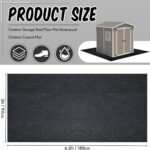
| External Dimensions | 119” L x 93.7” W x 76.5” H |
| Material | Galvanized steel panels with protective film |
| Roof Type | Gable / peaked roof |
| Windows | Classic cross/grid windows (for light and ventilation) |
| Doors | Double doors with steel locking system & reinforced handles |
| Packaging | Double-layer with wooden crate and two box shipment |
| Assembly | Recommended 2–3 people, all hardware and instructions included |
| Included Extras | Protective gloves for setup |
| Optional Accessories | Shelving and wall organizers (sold separately) |
You’ll glance at this table and take comfort. The numbers don’t sing, but they make practical promises, and you like practical promises.
Materials and Build Quality
You will notice the cold, honest heft of galvanized steel. It’s not warm like cedar; it doesn’t smell like a summer porch. Instead, it’s the kind of material that says, “Bring me rain, snow, and the occasional squirrel, and I will keep standing.” Galvanized steel resists rust better than raw steel, and the panels being protected with film means fewer battle scars when the delivery people handle the boxes.
The connections and reinforcements are utilitarian rather than ornamental. You won’t find dovetail joints or artisanal carpentry — you’ll find rivets, screws, and overlapping seams designed to keep water out. Expect some minor flex in wind because metal, when thin enough to ship economically, will offer a small concertina effect on particularly blustery days. You can mitigate that with anchoring and a level foundation, which we’ll talk about later.

Size and Capacity
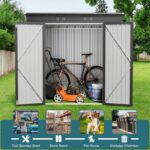
You bought this because “450 cubic feet” sounds like a promise of spaciousness, and mostly it is. The floor area and the tall ceiling mean you can roll a riding mower in, line up bikes, and still have overhead space for shelves. You’ll be able to store seasonal furniture, bulky cushions, and even the inflatable pool you claim you will use again next year.
If you’re the kind of person who likes to hoard garden gnomes or obscure holiday inflatables, you’ll find the vertical volume especially gratifying. Tall items are happier here than they were in your garage where they tended to lean and passively plot revenge. Still, pay attention to the interior width and door opening if you’re moving in an unusually oversized item — the shed is roomy but not a barn.
Weather Resistance and Roof Design
The gable roof is a smart, straightforward idea. It throws rain and snow to the sides the way a polite guest throws confetti and then takes responsibility for the mess. You’ll notice the peaked design keeps water from collecting, and the overlap in the panels helps keep leaks at bay. That said, metal roofs can sing in heavy hail and amplify rain like an aggressive percussionist, so if you’re noise-sensitive, plan accordingly.
Galvanized steel helps resist rust and corrosion, but remember: “weather-resistant” doesn’t mean “weather-immune.” You’ll want to keep an eye on seams, treat any scratches where the protective film got torn, and ensure the shed is anchored and slightly elevated from direct soil contact to avoid moisture wicking under the panels.
Classic Cross Windows & Ventilation
You’ll appreciate the grid windows for more than their aesthetic. They brighten the interior in a way that saves you from fumbling for flashlights in the twilight hours, and they allow for airflow that reduces the claustrophobic, damp smell that drives you to check on the lawn mower like it’s a sensitive houseplant. Good airflow prevents moisture buildup, which means less rusting of metal tools and a lower chance of mildew on canvas items.
These windows are simple — they’re not operable vents in every model — so you may still want to add a passive vent or two if you plan to store items that are particularly moisture-sensitive. Even modest cross-ventilation, combined with occasional open doors on breezy days, will keep the interior friendlier to fabric and electronics.
Security Features
The double doors and steel locking system are where this shed claims “serious.” You’ll be able to padlock the doors with a stout padlock, and reinforced handles mean that casual bending or prying won’t be rewarded. This is a deterrent to opportunistic theft — someone grabbing a lawnmower for a quick joyride — but keep in mind a motivated thief with time and tools will still be a problem anywhere.
Anchoring the shed to a foundation or a concrete slab raises the barrier. You’ll feel more confident if you bolt it to something immovable, add motion-sensing lights, and maybe even a discreet camera that will capture the face of anyone underestimating your padlock.

Assembly: What to Expect
You’ll be told to recruit two to three people, and the recommendation is reasonable. The panels can be awkward — not heavy in the way a safe is heavy, but oddly large and bend-resistant in a way that makes solo work miserable. The instructions are clear enough, but they presume a certain competence with hand tools and a bias toward people who don’t get startled by an Allen wrench.
Expect an afternoon or a full day depending on your pace and the number of helpers. The package includes protective gloves, which will make you feel like you’re performing some suburban ritual rather than just building a storage unit. Keep your smartphone charged; you’ll consult it for videos when something doesn’t quite line up with the diagram that looks suspiciously like modern art.
Tools, Hardware, and Packaging Details
The kit comes with all the necessary hardware and instructions. You’ll be glad they included gloves because metal edges will whisper the promise of a minor cut if you’re not careful. You’ll still want a drill, a level, a partner to hold panels, and a patient attitude. An electric screwdriver will save your wrists, and a rubber mallet is a surprisingly useful addition.
Packaging is thoughtful: the protective film prevents scratches during transit, and the double-layer wooden crate reduces dents. But you’ll still want to inspect for any missing bolts or warped panels before you start — unboxing is a mental moment of contract between you and the shed; make sure it arrives on its side of the bargain.
Interior Layout and Organization
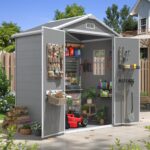
You’ll imagine shelving and wall organizers almost immediately, because the shed practically begs for vertical storage. The tall ceiling lets you mount shelves, hang tools, and keep seasonal gear up and out of the way. The wide double doors mean big items pass through without drama; you won’t have to perform the awkward shimmy that ruins your dignity and possibly your trousers.
If you want a workshop vibe, you can install a workbench along one wall and pegboard for frequently used tools. For bikes, hooks and ceiling racks free up floor space. Plan your layout before assembly — it’s easier than rearranging a cramped shed after the fact, which will always feel like moving furniture in a tiny apartment at midnight.
Multi-Purpose Uses: From Lawn Mower to Pet Shelter
You’ll be surprised how many lives this shed can lead. One weekend it’s the official garage for your riding mower; the next it’s a storage closet for patio cushions and holiday lights. It can be a seasonal swap station, a small workshop, or even an emergency pet shelter if you add insulation and some soft bedding. If you’re thinking of using it for animals, remember to provide insulation, ventilation adjustments, and a raised, warm floor to avoid cold drafts.
It’s less suited to someone wanting a finished hobby space without additional work. The finish is industrial, not cozy. So if you want a potting shed with flowered wallpaper in your imagination, prepare to do interior finishes — framing, plywood walls, and insulation — to get there.

Maintenance and Longevity
You’ll have to do a little upkeep to keep things pristine. Check seams and fasteners annually, touch up scratches where the protective film got torn, and clear snow from the roof during heavy winters. Galvanized steel is resilient, but if you live in a coastal area with salt in the air, carrying out more frequent inspections will preserve the finish.
Lubricate hinges, re-tighten bolts after the first high wind, and keep the base free of mulch or damp soil. If you notice minor rust spots, sand and apply a metal-appropriate sealant promptly. The shed is built to last when you treat it like a long-term partner — occasionally check in, give it small repairs, and it will reward you with years of dry storage.
Pros and Cons
You like lists because they make decisions less like moral dilemmas. Here are the highs and the grumpy not-so-highs.
Pros:
- Large 450 cu ft capacity suitable for riding mowers and bikes.
- Durable galvanized steel construction with protective film.
- Gable roof design sheds rain and snow effectively.
- Double doors and steel locking system for reasonable security.
- Cross/grid windows provide natural light and airflow.
- Thoughtful packaging reduces shipping damage.
- Gloves and all hardware included for assembly.
Cons:
- Metal aesthetic isn’t for everyone — it’s more utility than charm.
- Can get hot or cold inside depending on season; insulation not included.
- Assembly is manageable but easier with two to three people.
- Metal can dent under severe impacts; not as “forgiving” as wood.
- Optional shelving and organizers are sold separately.
You’ll weigh these like a pros-and-cons list for a relationship. It’s not perfect, but it’s dependable.
Comparisons: Metal vs. Wood vs. Resin
You’ll read reviews and see fans of wooden sheds and charcoal-voiced lovers of resin. Here’s how this model fits in that jury.
Metal vs. Wood:
- Metal: durable against insects, often more weather-resistant, lower maintenance for paint, but can be less attractive and dent.
- Wood: classic aesthetics, easier to modify for windows and shelves, but requires regular painting/sealing and can suffer from rot and termites.
Metal vs. Resin:
- Metal: stronger for heavy machinery, less susceptible to UV staining, but can be noisier and more conductive of heat and cold.
- Resin: lighter, often more attractive and quieter in storms, but not as sturdy for very heavy equipment and can warp under extreme heat.
You’ll choose based on priorities: if your top concern is protecting heavy equipment in a low-maintenance way, this steel shed is a solid bet. If you want something that blends into landscaping for aesthetic reasons, you might want to compliment it with paint or screening plants.
Installation Tips and Best Practices
You’ll do better with a level base. Concrete slab is ideal; treated wood frame or compacted gravel with a plastic membrane work too. Whatever you choose, make sure the base is flat and slightly elevated from soil to prevent moisture transfer.
When assembling:
- Read the instructions fully before opening every pack of bolts.
- Sort bolts and screws into bowls so you aren’t digging like it’s medieval pottery.
- Use two people for panels; alignment is easier with an extra pair of hands.
- Don’t peel protective film until you’re done to avoid scratches during assembly.
- Anchor to the base for wind resistance.
You’ll discover that a small pre-planning session saves a lot of swearing and a possible midnight trip to the hardware store.
Security Upgrades and Anchoring Advice
You’ll want to upgrade security if anything valuable is inside. A heavy-duty padlock is a baseline. For better protection:
- Bolt the shed to a concrete slab or ground anchors.
- Consider a hasp and staple system with hidden screws to make quick prying difficult.
- Add motion-activated lights to deter casual thieves.
- Install a discreet camera or a dummy camera if you’re on a budget.
Anchoring is non-negotiable in windy areas. Even an otherwise calm-looking backyard can produce gusts that think your shed would make a fine travel companion. Use anchor kits specific to metal sheds, and follow manufacturer recommendations.
Customization and Interior Upgrades
You’ll probably want to personalize it. The metal shell gives you a blank palette. Consider these upgrades:
- Plywood interior sheathing to provide a finished look and easier mounting for shelves.
- Insulation panels if you plan to use the shed as a workshop or pet shelter in cold months.
- Floor treatment: rubber mats or interlocking tiles protect equipment and make cleaning easier.
- Shelving kits and wall organizers for better vertical organization.
- A small LED light system powered by a solar panel for off-grid convenience.
These upgrades make the space more functional and comfortable. You’ll be less likely to treat it as a second-class space and more likely to use it regularly.
Common Problems and Troubleshooting
You’ll encounter little dramas. Screws that seem like they belong to another kit, a panel that fights back, a door that refuses to align. These are not fatal. Be patient and methodical.
If panels don’t line up, check your base for level and square. If the doors are stiff, adjust hinge bolts and verify that nothing is obstructing the frame. If leaks appear at seams, apply silicone or a metal-appropriate sealant and reinforce overlaps. If you find minor dents, they can often be pushed out gently, but deeper damage may require part replacement.
You’ll find that most issues are solvable with basic tools and a calm playlist.
Who Should Buy This Shed?
You’ll want this if you’re someone who needs robust, weather-resistant storage without fussing over artisanal charm. It suits:
- Homeowners with riding mowers, ATVs, or multiple bikes.
- Gardeners who want a dedicated space for tools and potting supplies.
- People who need a secure place for seasonal supplies and furniture.
- Anyone who prefers minimal maintenance and durability.
You’ll probably not choose this if you want a visually ornate garden feature or expect a finished living space right out of the box.
Value and Pricing Considerations
You’ll evaluate cost against longevity and peace of mind. If you’re purchasing a cheap shed that will rust or collapse in two seasons, you’ll waste money. This shed’s galvanized steel and thoughtful packaging suggest it’s positioned as a mid-range to premium utility option. Factor in the cost of anchoring, potential insulation, and shelving if you want a fully functional space.
You’ll also consider the intangible value: the morning you open the double doors to a dry, organized interior and find your lawn mower where it belongs is worth something. That moment of tiny domestic triumph is not easily priced.
Final Verdict
You’ll find the “10×8 FT Outdoor Storage Shed, 450 Cu Ft Weather Resistant Garden Shed with Gable Roof & Grid Window, Multi-Use Shed for Bikes, Lawn Mowers, Patio Supplies & Pet Shelter” to be exactly what it promises: a sturdy, practical, weather-resistant storage solution. It doesn’t seduce with charm; it reassures with function.
If you want protection for heavy equipment, flexible interior space, and a secure footprint in your yard, this shed will do the job. You’ll spend an afternoon assembling it with a couple of friends, feel like you accomplished something slightly heroic, and then enjoy years of dry, organized storage for the things that don’t belong in your living room but matter nonetheless.
Disclosure: As an Amazon Associate, I earn from qualifying purchases.