Have you ever bought something that promises to tame your backyard chaos and then found yourself arguing with an instruction sheet while holding a mysterious bolt that clearly belongs to a different universe?

Product Snapshot: What this shed claims to be
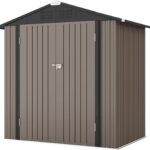
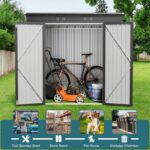
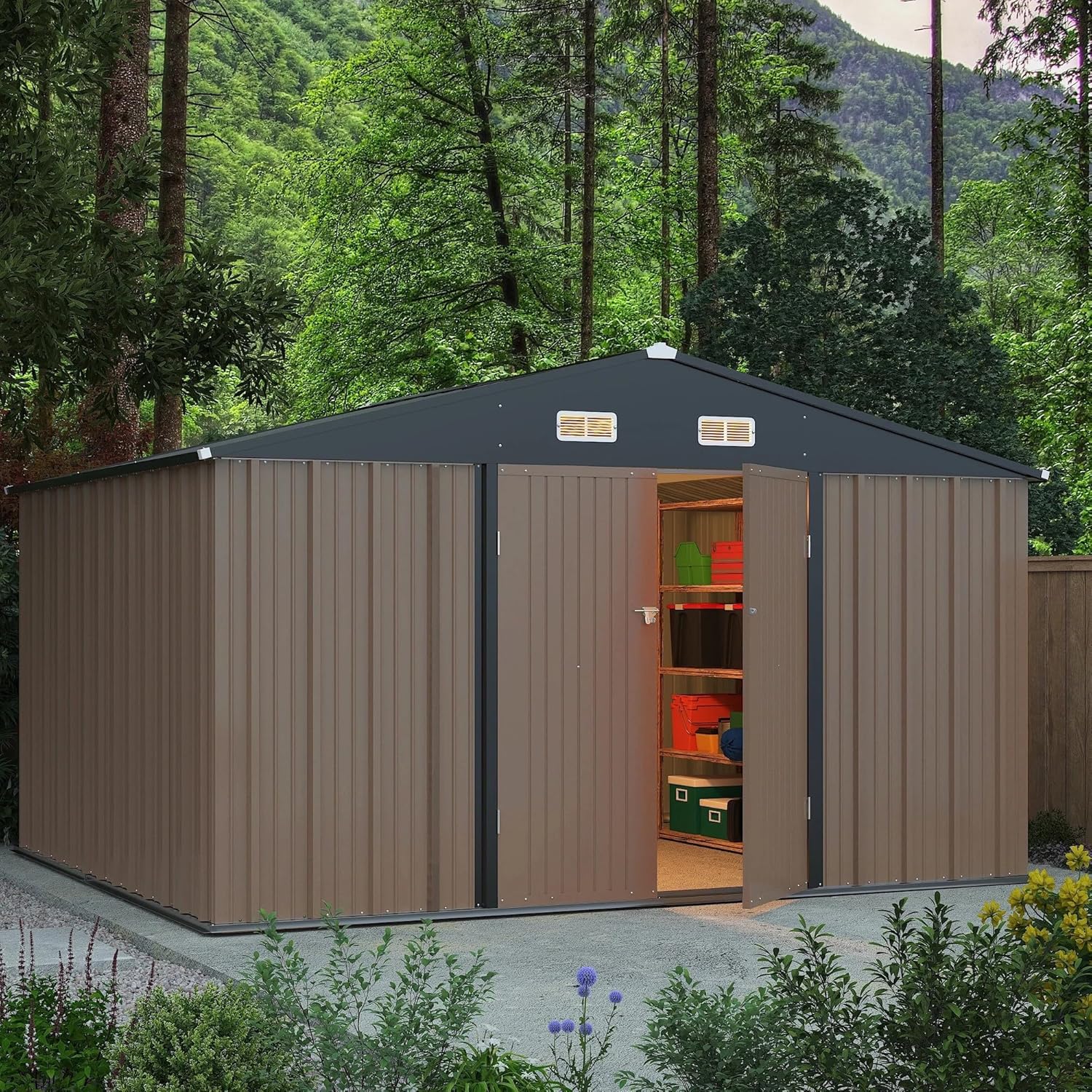
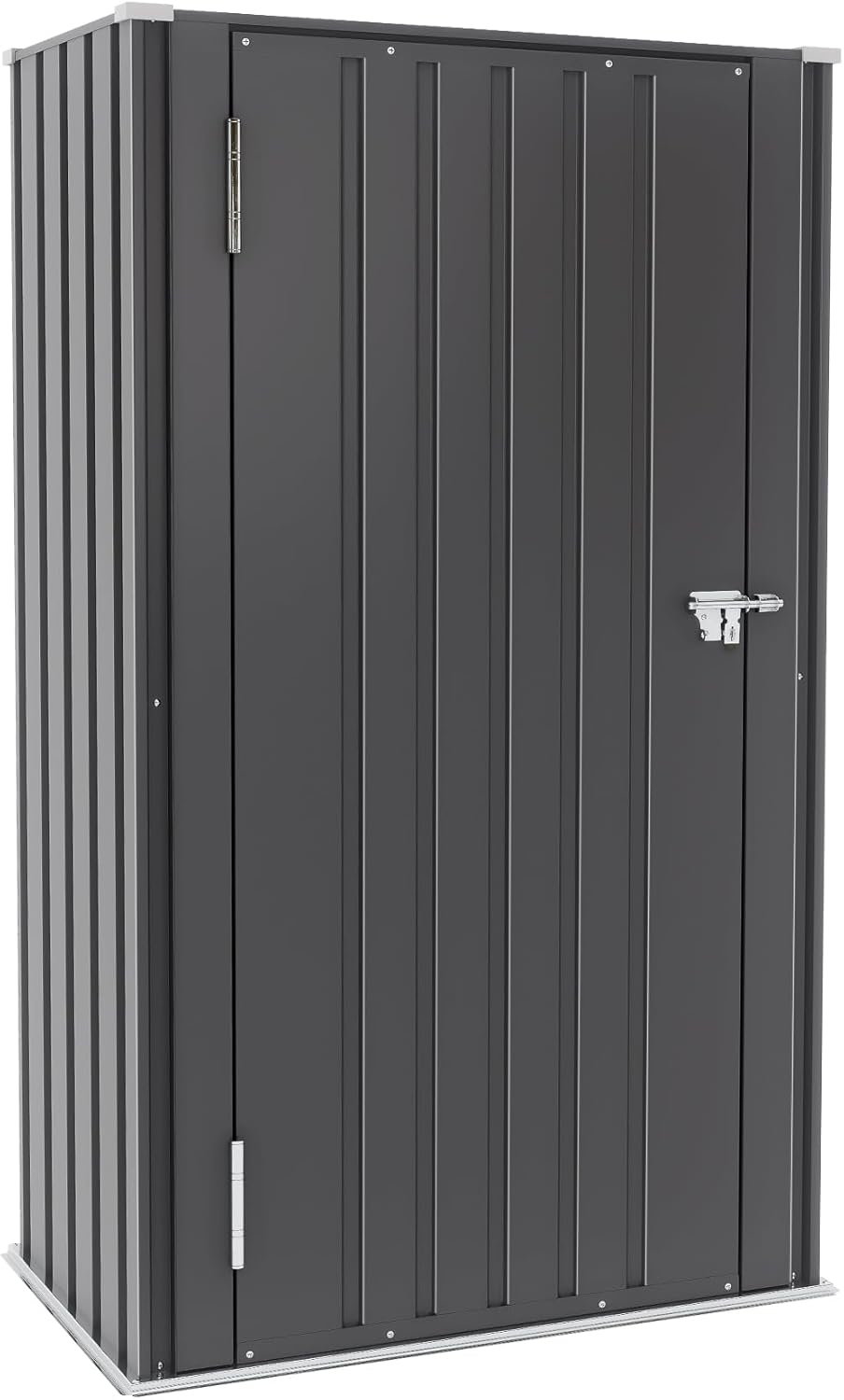
You’re looking at the Greesum 6×4FT Outdoor Storage Shed, Metal Patio Storaged Sheds with Lockable Doors, Sheds & Outdoor Storage for Bike, Backyard, Pool and Garden, Brown. It promises metal durability, a lockable door (padlock not included), numbered parts for easier assembly, and delivery in one box. The manufacturer insists you wear gloves during installation and that the base is not included — so you’ll need to provide a flat solid surface.
You’ll probably appreciate that the name reads like a bureaucratic poem: long, precise, and determined to cover every eventuality.
Quick impressions you’ll have at first glance
You’ll notice the simplicity right away: a compact 6×4 foot footprint that won’t dominate a modest yard, and a brown finish that tries to be unobtrusive. The galvanized steel suggests rust resistance and longevity, which is reassuring if you’re trying to keep tools and pool toys from becoming archaeological finds.
You’ll also notice that it’s modest in size — not a workshop, more of a tidy closet for the items you don’t want cluttering the garage or being borrowed forever by neighbors.
Greesum 6×4FT Outdoor Storage Shed, Metal Patio Storaged Sheds with Lockable Doors, Sheds & Outdoor Storage for Bike, Backyard, Pool and Garden, Brown
What’s in the box (and what’s missing)
You’ll open a single box and find clearly numbered parts, screws, panels, and an instruction sheet that is, mercifully, not written in hieroglyphs. The company cautions you to install on a solid base and to consider HOA rules before assembly.
Everything being in one shipment is convenient, but you’ll be missing the floor — which you must build or buy separately — and the padlock for the pre-drilled door holes.
Why the floor omission matters to you
If you imagine the shed sitting directly on grass, you should stop. You’ll need a flat, solid platform (wooden base, concrete slab, or pavers) to prevent moisture, shifting, and a general sense of defeat three seasons later. The floor omission means extra planning: a little more expense and a small construction project before the shed is truly functional.
You’ll also want to think about anchoring the shed down if you live somewhere windy.
Assembly: how it feels to put it together
The parts are numbered, which sounds like salvation. If you’re someone who gets a thrill from matching numbers and following steps, you’ll feel momentarily heroic. The instructions are straightforward enough, but you’ll still be doing something physical for a few hours, possibly with the help of an unenthusiastic partner or a neighbor who will offer extra opinions for free.
Wear gloves — the manufacturer repeats this because people forget and then gripe about sharp edges. You’ll thank them halfway through when you haven’t turned yourself into a walking bandage.
A realistic assembly timeline
You should plan on 2 people and 2–4 hours depending on your DIY skill level. If you’re methodical and patient, you’ll do it in the lower end of that range. If you like to improvise or have better things to do (like nap), add another hour. There are many screws and panels; having a power screwdriver and a friend who can hold things steady will be the difference between grace and cursing.
Materials & durability: does it actually last?
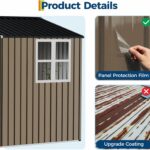
Greesum builds this shed with heavy-duty galvanized steel, which in theory resists rust and harsh weather. That’s the main selling point — the promise that your lawnmower and pool toys won’t quietly dissolve over the next rainy year.
Galvanized steel is a pragmatic choice: it costs less than cedar, outlives most plastics in UV, and gives you a bare-bones fortress for garden implements. However, metal scratches, and wherever the galvanized layer is breached you’ll need to be proactive to prevent rust.
What you should do to preserve the finish
You’ll want to touch up scratches with a rust-inhibiting paint and keep the shed on a raised base to avoid standing water. Periodic washing with mild soap and inspecting seams every season will keep things from becoming a slow-motion catastrophe.
Security: lockable door (lock not included)
You’ll find the door pre-drilled for a padlock, which makes securing your items straightforward — provided you bring your own lock. Without a lock, the door is philosophically secure but practically open to anyone with a crowbar and a sense of entitlement.
Think about investing in a heavy-duty padlock and a hasp that’s theft-resistant. If you live in a neighborhood with roaming owl-eyed teenagers, spend a little extra on a good lock and secure the shed to the ground.
How to make the shed actually secure
Anchor the shed to a base and use a rugged padlock with a shrouded shackle to deter bolt cutters. You might also add a motion-sensor light and place the shed within view of windows or a camera; thieves prefer privacy. If you’re particularly paranoid, bolting interior shelving down and using cable locks for bikes adds layers of security that make sense to you and confuse anyone with thieving ambitions.
Size and storage capacity: what fits inside
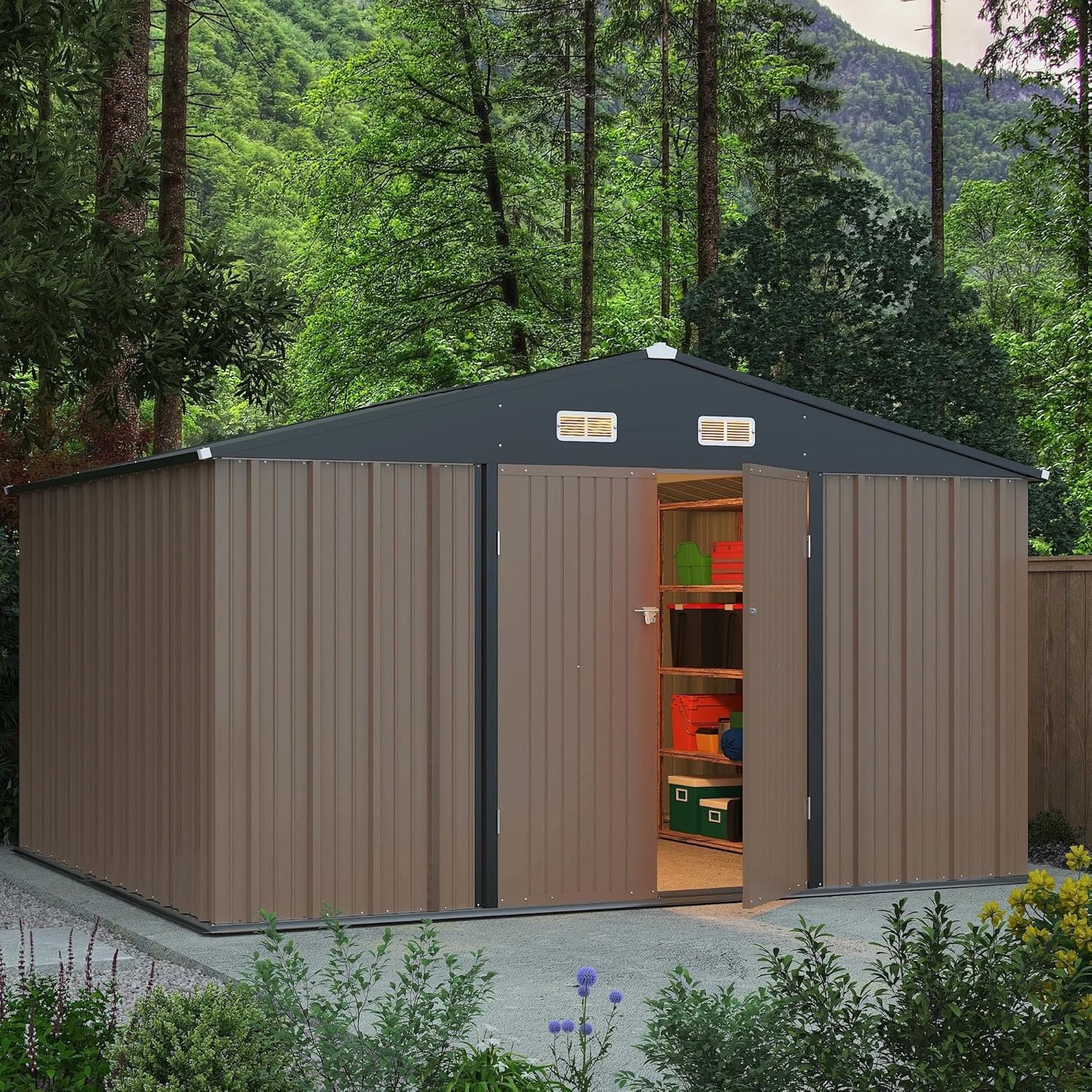
At 6×4 feet, you’ve got 24 square feet of floor space. It’s a tidy area for lawn tools, a bicycle (likely with the front wheel removed), pool chemicals in a safety box, and a couple of overflowing garden pots. You won’t host a woodworking shop in here, but you can store the essentials and keep the house looking less like a lost-and-found.
Use vertical space: attach pegboards and shelves. A ceiling rack is possible if you’re ambitious — but remember the roof’s load capacity is limited.
Practical layout suggestions
Install a tall corner shelf for bags of soil and fertilizer, hooks for rakes and shovels, and a small freestanding locker or bin for gardening gloves and seeds. Consider a bike hook or fold-down rack if you plan to store a bicycle. With thoughtful organization, you’ll be shocked by how much fits in this compact structure.
Base and foundation: what to put it on
You’ll need a flat, solid surface. The company recommends a wooden platform or concrete slab. If you decide on wood, pressure-treated lumber on a gravel bed works well. Concrete is permanent and stable but more expensive up front.
The base keeps moisture away, provides level support, and allows for proper anchoring. Without it, you’ll likely get uneven doors, water pooling, and the kind of slow structural decay that turns useful items into yard ornaments.
Tips for making a solid base
Use pavers or a compacted gravel pad if you want a budget option, but ensure they’re perfectly level. A wooden skid or frame with treated planks will work for a temporary setup and gives you a bit more flexibility. Drill anchoring points through the shed’s base rails into the foundation for wind resistance.
Weather resistance and performance in different climates
Galvanized steel resists rust and handles snow, rain, and sun better than untreated metal. However, metal sheds can get hot in summer and cold in winter. In humid climates, condensation inside the shed can be an issue if you don’t provide ventilation.
You should add ventilation vents or a small louver near the roofline to reduce condensation. In snowy regions, check the roof load rating — heavy snow can be an enemy unless you clear it regularly.
Small upgrades to improve comfort and longevity
A vapor barrier on the base, simple ridge vents, and a paint job with UV-resistant paint can make the shed more comfortable and durable. You might also add a small rubber floor mat to keep tools off the metal base and prevent condensation damage.
Maintenance: what you’ll need to do to keep it functional
Maintain the galvanized finish by touching up scratches with rust-inhibiting paint, clearing gutters or roof debris, and checking seals around the door. Clean the exterior once or twice a year to remove pollen, dirt, and the kind of organic film that seems to appear overnight.
Maintenance is simple but ongoing — you’ll be rewarded by a shed that looks presentable and performs well for years.
A seasonal checklist for the shed
Spring: inspect for winter damage, check anchor points, clean out leaves. Summer: clear out pollen and check vents. Fall: prepare for snow if relevant, secure padlock and check the base. Winter: remove heavy snow from the roof and ensure access to stored items.

Uses you’ll actually get from this shed
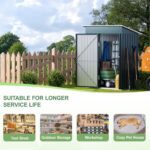
You’ll store lawn tools, a small ride-on mower (verify size), bicycles (one or two depending on frame and racks), pool equipment, and gardening supplies. It’s also a sanctum for seasonal items that otherwise end up in corners of the garage or the backseat of your car.
People use it as a pool chemical store, bike hub, or potting station. With some creativity, it becomes more than a box — it becomes a domestic utility.
Unexpected uses you might try
Turn one side into a potting bench with a fold-down work surface, or use pegboards to hang kids’ sports equipment. With lighting and a small heater, you can temporarily use it as a hobby nook — but remember electrical modifications require caution and sometimes local permits.
Pros and cons — a clear-eyed assessment
You’ll want to know the trade-offs. Here’s a quick breakdown in a table so you can scan it while the neighbor tells you again how they built a barn with nothing but elbow grease and a YouTube tutorial.
| Category | What you’ll like | What might bother you |
|---|---|---|
| Material | Galvanized steel resists rust and weather | Scratches can lead to rust if untreated |
| Size | Compact for small yards; 24 sq ft footprint | Not roomy enough for large equipment or big tools |
| Assembly | Numbered parts and support reduce confusion | Still requires 2 people and a few hours; sharp edges—wear gloves |
| Security | Pre-drilled holes for a padlock | Lock not included; hinges and panels can be pried if not anchored |
| Delivery | Single box shipment is convenient | Base and padlock not included — extra work and expense |
| Cost | Cheaper than wood, sturdier than some plastics | Less aesthetic warmth than wood; less insulation |
You’ll find the pros appealing if you value functionality over charm. The cons matter if you want a shed that’s both a storage unit and a cottage.
Who should buy this shed and who should avoid it
You should buy this if you want a practical, affordable storage solution that’s reasonably durable and requires a modest level of DIY. If you need something quick, durable, and unobtrusive, this fits.
Avoid it if you’re looking for a decorative structure that blends with landscaping, or if you need a heated, insulated workshop. If your HOA forbids metal sheds, skip it — the manufacturer reminds you to verify local rules for a reason.
Good for: homeowners with tools and pool gear
This shed is ideal for people with limited outdoor space who need a tidy place for garden implements, bikes, and pool supplies. It’s a utility item, not a design statement.
Not good for: large equipment or high-end landscaping aesthetics
If you want to store a large lawn tractor, or you care about a shed that complements a Victorian garden, you’ll find this too utilitarian.
Cost considerations and hidden expenses
The purchase price is only part of the story. You’ll add the cost of a base (concrete, pavers, or a wooden platform), a padlock, tools for assembly, possibly extra shelving, and maintenance materials like rust paint.
Factor in the value of your time too: assembly, base preparation, and seasonal upkeep all require labor. If you hire someone to build a concrete slab or assemble the shed, that adds to the final tally.
Rough budget guide
Expect to spend extra for:
- Base: $50–$500 depending on material and whether you DIY
- Padlock and hasp: $20–$60
- Tools or power screwdriver: $30–$150 (if you don’t already own them)
- Shelving and hooks: $20–$150
- Maintenance supplies: $10–$50 annually
It’s still a reasonable investment for the storage you’ll gain, but don’t forget these associated costs.
Safety and legal notes
The manufacturer advises gloves during installation — follow that. If you plan any electrical work or modifications, follow local building codes and consider hiring a professional. Also check your HOA rules: some associations have strict guidelines about shed placement, materials, or permits.
You’ll also want to anchor the shed to prevent wind uplift and secure flammable or hazardous materials separately.
Liability and peace of mind
Install the shed where it’s visible from the house for security, and keep hazardous chemicals in locked containers. If insurance is a concern, check whether outdoor storage structures are covered by your homeowner’s policy.
Comparison with alternatives
Compared with wooden sheds, this metal option is cheaper and lower maintenance but less charming and less insulative. Compared with plastic resin sheds, it’s stiffer, less prone to UV warping, and generally more secure — though resin sheds can be easier to assemble.
You’ll have to decide whether you value aesthetics, insulation, or cost and pick accordingly.
When to choose metal over wood or resin
Pick metal if you want lower maintenance and a rust-resistant option — but commit to touching up scratches. Choose wood if you want something that looks great in the landscape; choose resin if you want a lightweight, rot-free option that’s easy to assemble.
Practical tips and hacks you’ll actually use
- Label your screws and parts during assembly — it will save you a small existential crisis later.
- Use a power screwdriver but keep torque low to avoid stripping.
- Build or buy a wooden base with joists so you can anchor the shed and keep the interior dry.
- Add a pegboard and adjustable shelving to maximize vertical space.
- Use a dehumidifier packet or moisture absorber if you live in a humid area.
- Bolt an outside-mounted hasp that you can cover with a small sheet of metal to deter wrench attacks.
You’ll appreciate small hacks when you’re standing inside your finished shed marveling at its order.
A few genuine annoyances to prepare for
You’ll find sharp edges during assembly despite wearing gloves; panels need aligning; and sometimes instructions assume you have an extra set of hands. The door alignment can be finicky, and if your base isn’t perfectly level, you’ll end up re-drilling holes to make the door latch smoothly.
These are solvable problems, but they will test your patience — and the patience of anyone you enlisted to help.
Troubleshooting quick fixes
If a panel doesn’t fit, don’t force it. Loosen adjacent screws and work it into place gradually. If the door sticks, check the base is level and adjust by adding shims to the platform. Contact customer service if a part is missing — they’re reportedly responsive for this kind of product.
Final recommendation: is it worth your money?
If you want a compact, practical, metal storage shed that gives you organized space for bikes, tools, and pool gear, then yes — this is worth your money. It’s honest about its limitations (no floor, no lock), and with a little effort on your part, it will be a serviceable, durable unit.
You shouldn’t buy it if you want a decorative addition to your yard or an insulated workshop; you’ll be disappointed. But if you like function over form and you enjoy the satisfaction of putting something together with your own hands, you’ll get a lot of value here.
Final thought to keep in mind
You’ll need to put in a bit of work up front — building a base, assembling panels, buying a lock — but what you get back is a tidy, weather-resistant storage box that turns weekend chaos into a properly stored collection of things you’ll eventually use responsibly.
Frequently Asked Questions (quick answers)
- Q: Does the shed come with a floor?
A: No. You must install it on a flat, solid surface (e.g., wooden platform, concrete). - Q: Is a lock included?
A: No. The door is pre-drilled for a padlock, but you must supply the lock. - Q: How long does assembly take?
A: Plan 2–4 hours with two people; times vary by DIY experience. - Q: Is the steel rust-proof?
A: It’s galvanized to resist rust, but scratches should be touched up to prevent corrosion. - Q: Can it hold a bike?
A: Yes; bikes can fit, especially with wheel removal or wall hooks for vertical storage.
You’ll be glad you checked these before making decisions.
Closing — what you’ll remember in a year
In a year, you’ll remember the day you uncluttered the garage, or you’ll remember the night you cursed at a misaligned door while a breeze rearranged your hair. Mostly, you’ll remember the relief of seeing your yard less chaotic.
This Greesum metal shed is practical, affordable, and every bit the utilitarian companion it promises to be. It’s not sentimental, but it holds your things with the stoic dignity of a small, brown box that knows the value of order.
Disclosure: As an Amazon Associate, I earn from qualifying purchases.