Have you ever stood in your yard, surrounded by a tangle of hoses, rusty rakes, and a lawn mower that looks offended, and wondered whether a brown metal box could restore your sense of order?

First impressions
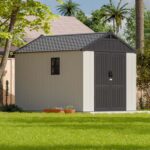
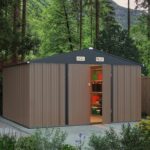
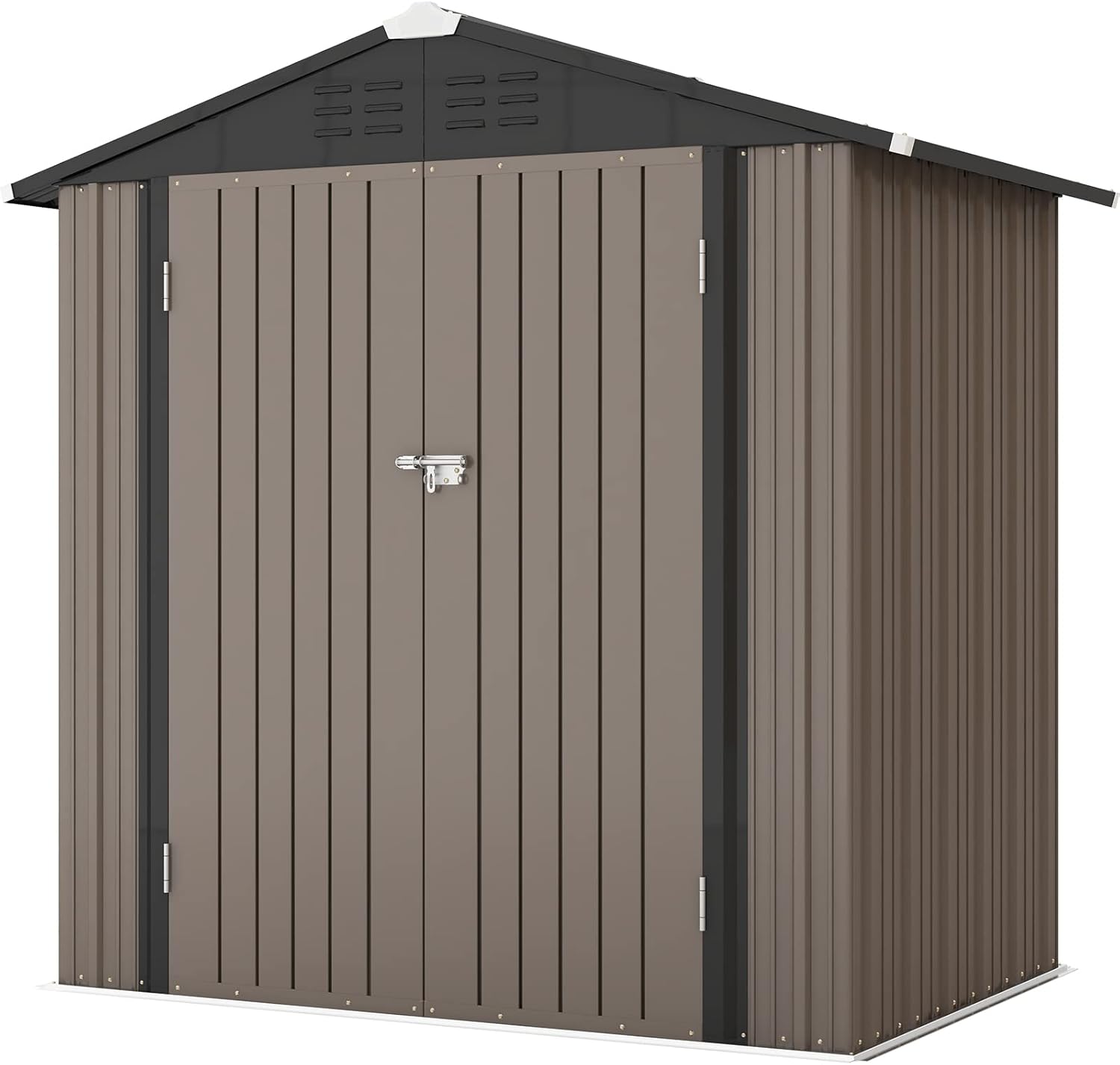
When you unwrap the box for the Patiowell 6×4 FT Outdoor Storage Shed, Garden Tool Storage Shed with Sloping Roof and Double Lockable Door, Outdoor Shed for Garden Backyard Patio Lawn, Brown, you’ll feel equal parts triumph and mild trepidation. The panels are neatly stacked and labeled, and the galvanized finish makes you think someone scrubbed the rust off in advance, a courtesy you didn’t deserve but appreciate.
Patiowell 6x4 FT Outdoor Storage Shed, Garden Tool Storage Shed with Sloping Roof and Double Lockable Door, Outdoor Shed for Garden Backyard Patio Lawn, Brown
Product overview
This Patiowell model is a 6×4-foot metal storage shed designed for your backyard, patio, or lawn and aimed at putting decades of chaotic outdoor paraphernalia into a single, lockable container. The sloping roof and double doors are practical touches that both add storage space and make you feel like you bought something sensible rather than ornamental.
Key specifications
You’ll want the numbers before you commit: size, materials, and what it brings to the party. Here’s a quick, digestible breakdown so you don’t have to squint at tiny print or ask your neighbor.
| Specification | Details |
|---|---|
| Model | Patiowell 6×4 FT Outdoor Storage Shed (Brown) |
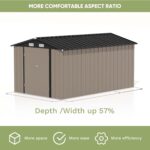
| Dimensions (approx.) | 6 ft (W) x 4 ft (D) x sloping roof height ~varies by edge |
| Material | Galvanized metal panels, metal frame |
| Roof | Sloping drainage roof |
| Doors | Double lockable door (padlock compatible) |
| Ventilation | Four vents for increased airflow |
| Base | Not included (you must build or buy) |
| Recommended installers | 2–3 people due to size and metal panels |
| Use cases | Lawn mower, bikes, toolboxes, pet shelter, garbage room |
| Color | Brown |
| Safety features | Plastic protective caps for sharp corners and exposed screws included |
| Notes | Check local HOA rules; instructions + installation video provided |
What fits inside
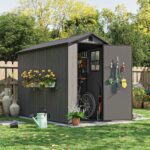
You can realistically store a lawn mower, bicycles, a couple of medium-size toolboxes, and assorted bags of soil or fertilizer without creating a miniature archaeological dig. You won’t fit a van in there, but you also weren’t trying to park anything that size between the hydrangeas and the garden gnome.
Build quality and materials
The galvanized sheet should give you a good handful of seasons without flaking into a pile of red dust, and the frame is stiff enough that it won’t wobble when you open the doors. That said, metal sheds have the same relationship to dents as humans do to bad coffee: it’s mostly survivable, but you’ll notice it and make a mental note.
Roof, drainage, and ventilation
The slanted roof is there for two practical reasons: it encourages rain and snow to run off, and it gives you a fraction more headspace for awkward items you refuse to part with. Four vents are included to keep air moving, which prevents damp smells and makes you look responsible when you tell guests you ventilate your storage solutions.
Door and security
Two doors make access blissfully easy; you can push a mower or a bike inside without performing contortions worthy of a yoga retreat. The doors accept a padlock, so you can keep the neighborhood raccoons and opportunistic humans at bay, though you should not be surprised if determined critters still try to test the seals.
Assembly and installation
You’ll need at least two people and a willingness to read instructions rather than improvise like you often do with IKEA furniture. The manufacturer supplies detailed written instructions and an installation video, which is wonderful because nothing says “bonding experience” like squinting at a diagram that seems to have been drawn by a particularly optimistic cartoonist.
Tools and time required
Expect to use a screwdriver or power drill, a wrench, a level, and patience; an electric drill will save your wrists and your relationship with whoever’s helping. If you’re methodical and have an assistant, set aside a half-day to a full day depending on experience and whether someone insists on commenting on every bolt.
- Recommended tools: power drill, socket set, level, rubber mallet, tape measure, safety gloves
- Time estimate: 4–8 hours with two people; quicker if you’ve built similar things before
Plastic protection caps and safety
The package includes plastic caps for sharp corners and exposed screws — use them. They’re a tiny, inexpensive reward that prevents you from becoming a human cautionary tale during installation or when you reach in for the rake.
Base and foundation options
The shed doesn’t come with a base, which means you get to choose your own adventure: concrete slab, compacted gravel, paving slabs, or a wooden platform. A solid, level base prevents water pooling and reduces stress on the structure, so don’t skip this step unless you enjoy puddles and regret.
Which base should you choose
Concrete is the most permanent and the least likely to shift; compacted gravel drains well and is cheaper; a timber base is quick but needs treatment against rot. Choose a base that suits your budget and level of optimism about future DIY projects.
Weather performance and durability
The galvanized panels are rust-resistant and UV-resistant, giving you a reasonable expectation of years of service without turning into a corrugated relic. The sloping roof reduces snow load, but if you live in a region that treats snow like an extreme sport, you’ll want to clear heavy accumulations promptly.
Wind and storm considerations
The frame is sturdy but not invincible; anchor the shed to a solid base if your area has frequent high winds. Without anchoring, it’s the shed equivalent of a teapot in a gale: weighted enough to look respectable until it tips over in protest.

Maintenance and longevity
A little preventive care will extend the life of your shed: clear debris, tighten loose screws, and touch up any scratched galvanized panels with appropriate rust-inhibiting paint. You’ll be rewarded with a structure that ages gracefully, and you’ll enjoy the smug satisfaction that comes with being the sort of person who remembers to maintain things.
How to prevent rust and wear
Keep paint or sealant on any scratches, ensure vents remain unobstructed, and avoid placing wet items directly against metal for protracted periods. These small rituals of care are dull but effective, like flossing for your toolshed.
Using the shed as a pet house or garbage room
The shed’s size and sheltered interior could make a decent dry area for pets in mild conditions, or a tidy refuge for bins and recycling. If you plan to house animals, add insulation, a raised pallet floor, and ventilation that keeps things fresh — and don’t imagine your cat will ever believe it’s not a castle.
Practical steps for pet use
Insulate the interior, install a small raised floor, and make sure the doorway is modified to prevent drafts and critters. You’ll also need to think about temperature extremes; metal sheds can get uncomfortably hot in summer and cold in winter.
Organization and interior setup
You can fashion shelves against the back wall, hang tools on pegboards, and use hooks to keep bikes vertical and your sanity intact. Buy a couple of sturdy shelves and a pegboard kit and you’ll go from “garden chaos” to “mildly intimidating order” in a weekend.
Suggested layout ideas
Place bulky items like mowers and bins at the back or side and keep daily-access tools near the door. Use vertical mounting for long-handled tools and label boxes so you aren’t rediscovering the same brittle gloves every spring.

Pros and cons
You’ll find reasons to celebrate and reasons to squint suspiciously at the instruction manual, and both are valid.
Pros:
- Good storage capacity for a small footprint.
- Galvanized panels resist rust and UV damage.
- Sloping roof and vents reduce moisture problems.
- Double doors and lockability improve access and security.
- Plastic protection caps for user safety included.
Cons:
- Base not included; you’ll need to build or buy one separately.
- Metal can dent and scratch if handled roughly.
- Not a replacement for heavy-duty, high-end sheds under severe weather conditions.
- Requires two to three people for installation if you plan to keep friendships intact.
Comparison to similar sheds
Compared with other metal sheds in this size range, the Patiowell 6×4 offers a solid middle ground: better ventilated and slightly more robust than the flimsiest budget boxes, but not as heavy-duty or feature-rich as premium models. You get good value for the price without a lot of pretension.
How it stacks up on value
If you’d like a no-frills, functional shed that will handle routine yard storage tasks and resist weather better than cheap alternatives, this one is a smart buy. If you need a bombproof structure or something decorative and charming, you might want to look at wooden or composite options.
Who should buy this shed
You should buy this if you want a modestly priced, functional storage solution that won’t require constant babysitting and that will keep your lawn mower dry and intact. If you enjoy the idea of an organized yard and have a small crew to help assemble it, you’ll be pleased.
Ideal buyer profile
You’re someone who prefers practicality over ornamentation, likes to keep things tidy, and isn’t trying to build a tool museum. You’re also comfortable with a bit of DIY.
Who should not buy this shed
Do not buy this if you need a permanent, extremely weatherproof structure or if you’re looking for aesthetic charm on par with a garden folly. If you’re in a hurricane zone or want long-term storage for extremely heavy items, consider a more substantial option.
Scenarios to avoid
If your HOA forbids metal sheds or you need to house temperature-sensitive items without insulation, pass on this and pick something better suited to those demands.
Tips to get the most from your shed
Plan the footprint and base before unboxing the panels, and keep the instruction video handy so you don’t invent unnecessary steps. Labeling, shelving, and a few well-placed hooks will turn your shed into a functioning, delightful repository of useful things.
Small upgrades that pay off
Install a small plastic floor or raised platform to keep items off direct metal contact, and add a simple battery-powered light and a small shelf near the door for frequently used items. These little improvements are cheap and feel luxurious.
Troubleshooting common issues
If your doors don’t align perfectly, check the level of the foundation and loosen and realign panels rather than forcing bolts. If you see surface scratches, treat them promptly with rust-inhibiting paint; metal doesn’t forgive neglect in the same way a forgiving friend might.
What to do if panels dent
Minor dents are cosmetic; they rarely compromise structural integrity. For more severe dents, contact customer service — sometimes replacement panels are available, and sometimes you learn to live with character marks that tell the story of a life lived outdoors.
Frequently Asked Questions
Q: Is the base included with the shed?
No, the shed does not include a base, so you will need to prepare your own foundation. Choose concrete for permanence, gravel for quick drainage, or treated wood for a faster installation.
Q: How many people are needed to assemble the shed?
The manufacturer recommends 2–3 people because the panels are large and metal can be awkward to handle alone. Trying to assemble it solo might result in extra swear words and sore shoulders.
Q: Can I lock the doors securely?
Yes, the double doors accept a padlock and can be secured to keep out animals and casual thieves. For added security, mount the padlock at a height and with a shroud that resists prying.
Q: Is the material rust-resistant?
The panels are galvanized, which resists rust and UV damage better than untreated metal. Treat any scratches promptly to keep rust from starting, and keep the vents clear to reduce moisture buildup.
Q: Can the shed be used as a pet house?
It can be adapted as a pet shelter for short-term or mild-weather use with added insulation and a raised floor. For long-term animal housing, you’ll want additional weatherproofing and ventilation suited to the species.
Q: What about snow load and heavy storms?
The sloped roof helps shed snow and rain, but you should clear heavy snow accumulations promptly and anchor the shed in windy areas. If you live in a region with extreme winters, consider a heavier-duty storage option.
Q: Are there color options?
This specific model comes in brown, which blends into many backyard landscapes. If you’re aiming for a pastoral look, brown is practical; if you want something cheerful, you’ll have to paint it yourself.
Customer experience and support
The product arrives with an instruction manual and an installation video that’s actually useful, so you won’t be left interpreting hieroglyphics. Customer support will help with missing parts or questions, though response times vary like every human-run service on the planet.
How to handle missing or damaged parts
Take photos immediately and contact customer service promptly; they typically will send replacement pieces or instructions for workaround. Keep packaging and receipts until assembly is complete just in case.
Final verdict
If you want a sensible, affordable metal storage shed that does the job without much drama, the Patiowell 6×4 FT Outdoor Storage Shed is a fine choice. You’ll get good capacity, basic weather resistance, and enough features to keep your yard from looking like a prop from a hoarder documentary.
A last word of encouragement
You’ll feel a small, silly surge of pride when you close the lock for the first time and step back at your tidy yard. It’s not grandeur; it’s practical victory — a place for the lawn mower, a place for the wheelbarrow, and one less thing to trip over on your way to pretending you’re gardening.
Disclosure: As an Amazon Associate, I earn from qualifying purchases.